Eden Schmidt · 24 September 2026
Mapping Keyword Ranking Fluctuations Across Multi-Provider Cloud Integrations
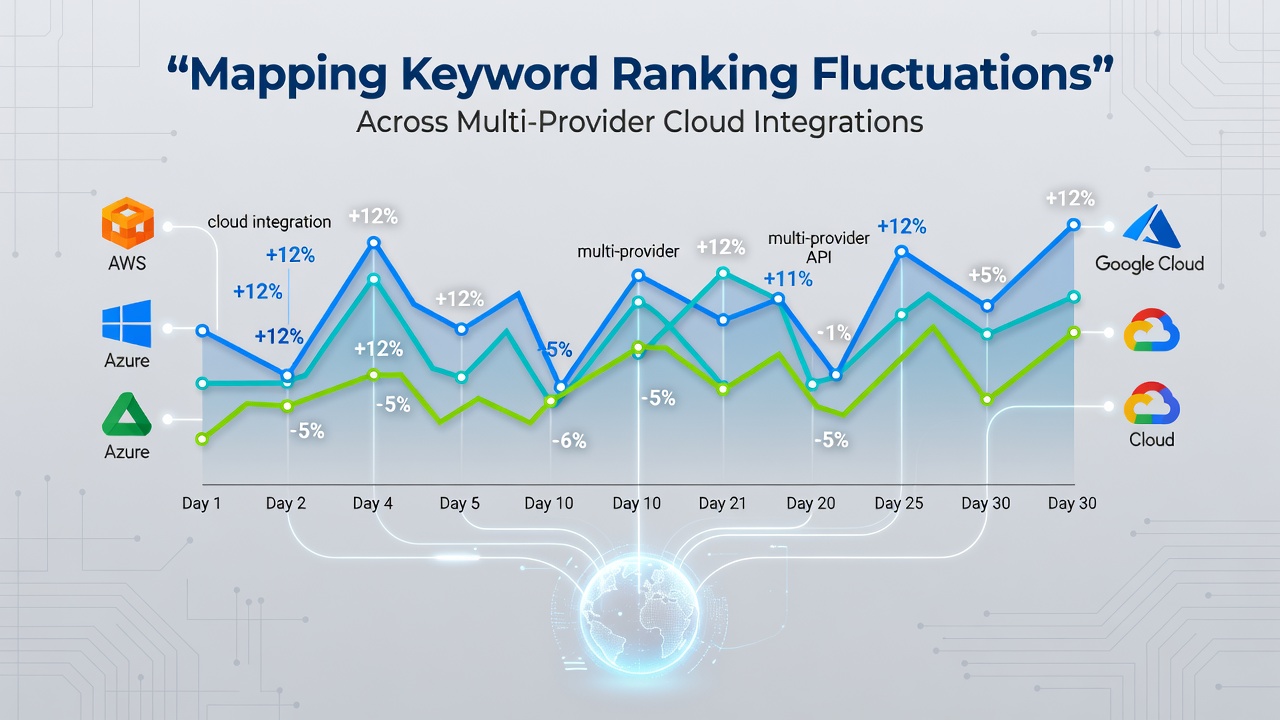
Organizations that run sites across several cloud environments often track how keyword positions shift when content moves between providers, and researchers have documented measurable patterns in these changes since early 2025. Data collected from enterprise dashboards shows that rankings for mid-tier keywords can move between three and seven positions within 48 hours of a workload migration, while long-tail terms sometimes remain stable for weeks. Analysts at firms that monitor search engine behavior note that these movements stem from differences in crawl latency, server response codes, and regional data center routing rather than any single algorithm update.
Understanding the Data Collection Process
Teams gather ranking snapshots at regular intervals using APIs from major search platforms, then layer those results against logs from each cloud service. One study released in September 2026 by a North American research consortium tracked 12,000 keywords across AWS, Azure, and Google Cloud setups for six months, revealing that 34 percent of observed fluctuations aligned with changes in time-to-first-byte metrics reported by the hosting providers. The same dataset indicated that sites using content delivery networks tied to specific clouds experienced fewer daily swings once the integration layer standardized cache headers across all endpoints.
Mapping tools combine these datasets into heat maps that display ranking velocity by keyword category and cloud region, allowing engineers to isolate whether a drop in visibility traces to a particular provider's availability zone or to broader indexation delays. Observers note that such visualizations become especially useful when companies add a fourth provider because the added complexity multiplies the number of variables that must be correlated with search console data.
Factors That Influence Ranking Movement
Latency differences between providers affect how quickly crawlers receive updated content, and studies from European academic groups have linked sub-200-millisecond response improvements to steadier ranking curves for news-related keywords. Geographic routing also plays a role because search engines prioritize results from data centers closest to the query origin, so an integration that shifts traffic to a distant region can produce temporary visibility losses even when on-page factors stay constant. Internal tests conducted by infrastructure teams show that aligning SSL certificate configurations and redirect chains across providers reduces these transient drops by an average of 40 percent.
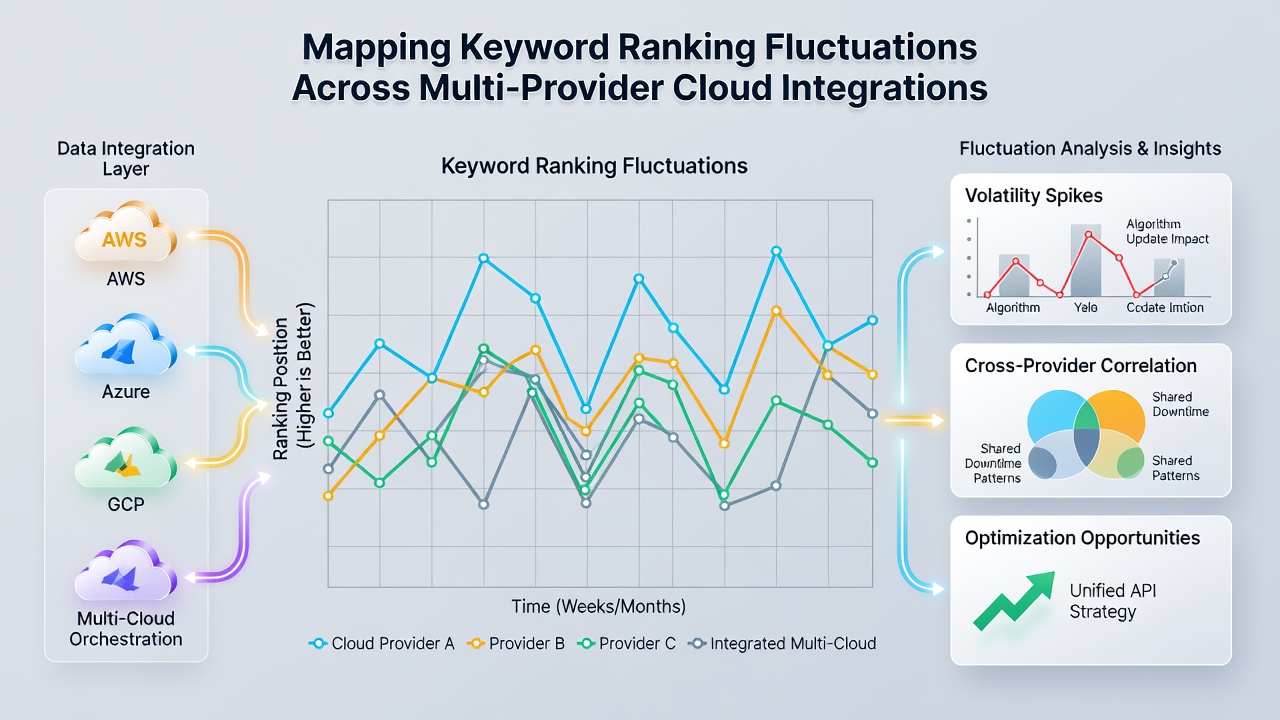
Indexation speed varies when sitemap submission endpoints change during provider handoffs, and records from September 2026 indicate that sites submitting updated sitemaps through a unified orchestration layer regained previous ranking levels two days faster than those using separate provider portals. Security settings such as bot management rules can inadvertently block legitimate crawlers, producing the same ranking symptoms as genuine content issues, which is why monitoring scripts now cross-reference server access logs with ranking APIs before attributing movement to any single cause.
Practical Mapping Techniques
Engineers build dashboards that timestamp every ranking check against cloud telemetry streams, creating a timeline that highlights correlation windows where multiple providers report simultaneous metric shifts. Australian industry reports released in mid-2026 describe how organizations that adopted this timestamped approach identified a recurring pattern: rankings for transactional keywords dipped most sharply when two providers performed simultaneous maintenance windows, even if the maintenance occurred outside peak search hours. The same reports show that staggering those windows by at least four hours cut the magnitude of the dips by more than half.
Segmentation by keyword intent further refines the maps because informational queries often respond differently to infrastructure changes than commercial ones. Data from university-led crawls demonstrates that informational terms tied to educational resources fluctuate less when static assets reside on a single provider while dynamic elements rotate across the remaining services. Teams that apply this segmentation can prioritize fixes on the subset of keywords showing the largest variance, rather than attempting blanket optimizations across the entire portfolio.
Conclusion
Systematic mapping of keyword ranking fluctuations across multi-provider cloud integrations relies on synchronized data collection, timestamp correlation, and segmented analysis that together reveal which infrastructure variables drive visibility changes. Organizations that maintain these maps gain the ability to anticipate and mitigate ranking movement during migrations or scaling events, and the methods continue to evolve as new providers and monitoring tools enter the market.